
Green Card Processing Steps
A Complete Guide for Applicants
The green card process can feel confusing. Between forms, background checks, and interviews, it’s easy to miss something important. This guide from OlaBlu Law, PLLC walks you through every stage of the green card processing steps in clear, simple language. Whether you apply through family, employment, or another category, this is your step-by-step guide to U.S. permanent residency.
What Is a Green Card
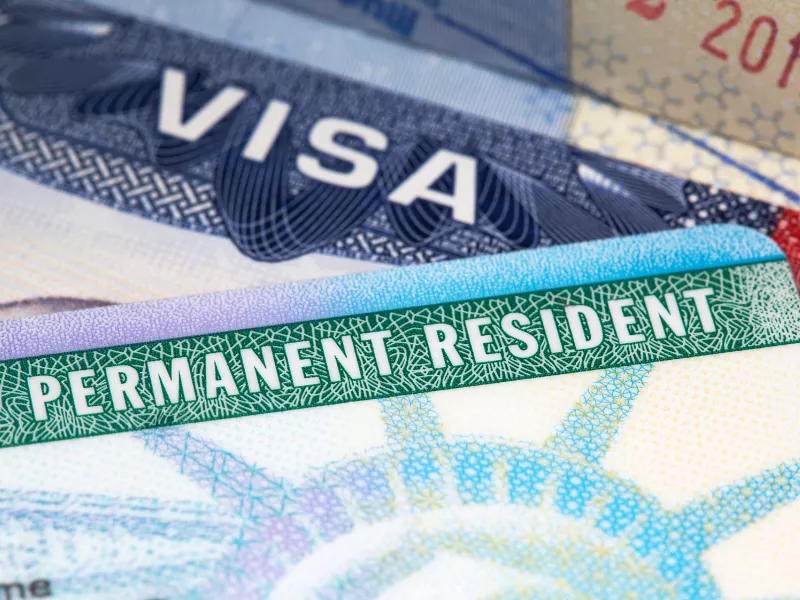
A green card, officially called a Permanent Resident Card, allows non-citizens to live and work permanently in the United States. It is one of the final stages in the immigration process for a green card.
The green card procedure depends on how you qualify. Most applicants fit into one of the following categories:
- Family-based immigration for spouses, children, or parents of U.S. citizens or residents
- Employment-based immigration through an employer sponsor
- Refugee or asylum status
- Diversity visa lottery
- Special humanitarian categories
Each route follows similar green card processing steps but with different forms and requirements.
Step 1: Check Eligibility
Before you apply, make sure you meet the green card requirements. Eligibility depends on your situation:
Family-Based Green Cards
You may qualify if you are a:
- Spouse of a U.S. citizen
- Child under 21 of a U.S. citizen
- Parent of a U.S. citizen over 21
- Sibling of a U.S. citizen
Employment-Based Green Cards
Employers can sponsor qualified workers through specific visa categories.
Other Green Card Options
You might qualify through refugee or asylum status, the diversity visa program, or humanitarian relief.
Knowing where you fit ensures a smoother permanent residency process.
Step 2: File the Correct Petition
The next stage in the green card application steps is filing a petition.
- Family-based applicants: A U.S. citizen or permanent resident files Form I-130 (Petition for Alien Relative).
- Employment-based applicants: The employer files Form I-140 (Immigrant Petition for Alien Worker).
Some individuals may self-petition, such as those under VAWA or EB-1A. Once USCIS approves your petition, you can continue to the next part of the green card process.
Step 3: Review Your Priority Date
When USCIS receives your petition, you get a priority date. This date decides when you can move forward.
Each month, the U.S. Department of State publishes a Visa Bulletin showing which dates are current. Family members of U.S. citizens usually have no waiting period. Others may wait months or even years.
Patience is part of the green card procedure, so check your priority date often.
Step 4: Choose Adjustment of Status or Consular Processing
Your next move depends on whether you are inside or outside the United States.
Adjustment of Status
If you are in the U.S. legally, you can apply for Adjustment of Status using Form I-485. This allows you to stay in the country while USCIS reviews your case.
Consular Processing
If you live abroad, your case continues through a U.S. embassy or consulate. You will complete forms, pay fees, and attend an interview.
Both methods are part of the immigration process for a green card and require accuracy at every step.
Step 5: Gather and Submit Required Documents
Strong documentation is critical in the green card application steps. Missing paperwork can delay approval.
You will need:
- Valid passport
- Birth certificate
- Marriage or divorce records if applicable
- Proof of relationship or employment
- Medical exam results (Form I-693)
- Affidavit of Support (Form I-864 for family cases)
- Two passport-style photos
- Filing fee and supporting evidence
Double-check all documents before submission to avoid setbacks.
Step 6: Attend Biometrics Appointment
After you file, USCIS will schedule a biometrics appointment. At this visit, you provide fingerprints, a photo, and a signature.
These details help confirm your identity and allow background checks to proceed safely.
Step 7: Attend the Interview
Most applicants must complete an interview.
- Adjustment of Status interviews occur at local USCIS offices.
- Consular interviews happen at U.S. embassies or consulates abroad.
During this stage of the green card process, the officer checks your eligibility, reviews your documents, and verifies your answers. Be honest, calm, and prepared.
Step 8: Wait for the Decision
Once the interview ends, your case goes into final review. Processing times depend on the type of petition and your location.
When approved, you will receive either:
- A welcome notice followed by your green card, or
- An immigrant visa stamped in your passport if processed abroad.
Approval completes your permanent residency process and allows you to live and work freely in the U.S.
Step 9: Receive and Use Your Green Card
When your card arrives, you officially become a lawful permanent resident. You can:
- Live and work anywhere in the U.S.
- Sponsor qualifying family members
- Travel internationally with permission
- Apply for citizenship later if you qualify
Remember, most cards expire in 10 years. Renewal is done through Form I-90.
Step 10: Maintain Your Status
Your responsibilities as a resident include:
- Keeping your card valid
- Filing taxes each year
- Following all U.S. laws
- Avoiding long absences from the country
Maintaining these obligations ensures your status remains secure through the green card procedure.
Common Green Card Mistakes to Avoid
Small errors can lead to big delays. Avoid these common mistakes:
- Missing forms or signatures
- Forgetting to pay the correct fee
- Ignoring requests for more evidence
- Missing appointments
- Traveling before receiving approval
A skilled green card lawyer can help you avoid these issues and keep your green card processing steps on track.
How Long Does the Green Card Process Take
Processing times vary widely. Factors include:
- Type of application
- Country of origin
- Case volume at USCIS or consular offices
Some cases finish in months, others take years. Checking your case status regularly keeps you informed throughout the green card process.
Final Thoughts
The green card processing steps can seem complex, but understanding each part helps you stay confident. By knowing your category, gathering documents early, and following instructions, you can complete the green card application steps successfully. Every case is unique, but careful preparation ensures steady progress toward permanent residency.
How OlaBlu Law, PLLC Can Help
At OlaBlu Law, PLLC, we believe everyone deserves honest and dependable immigration support. Our immigration lawyers guide you through the green card process from start to finish. We help you understand requirements, prepare documents correctly, and attend interviews with confidence. You will always have direct access to your attorney and clear communication every step of the way. Call (980) 308-9620 to start your path toward U.S. residency with trusted legal support in Charlotte, NC.